
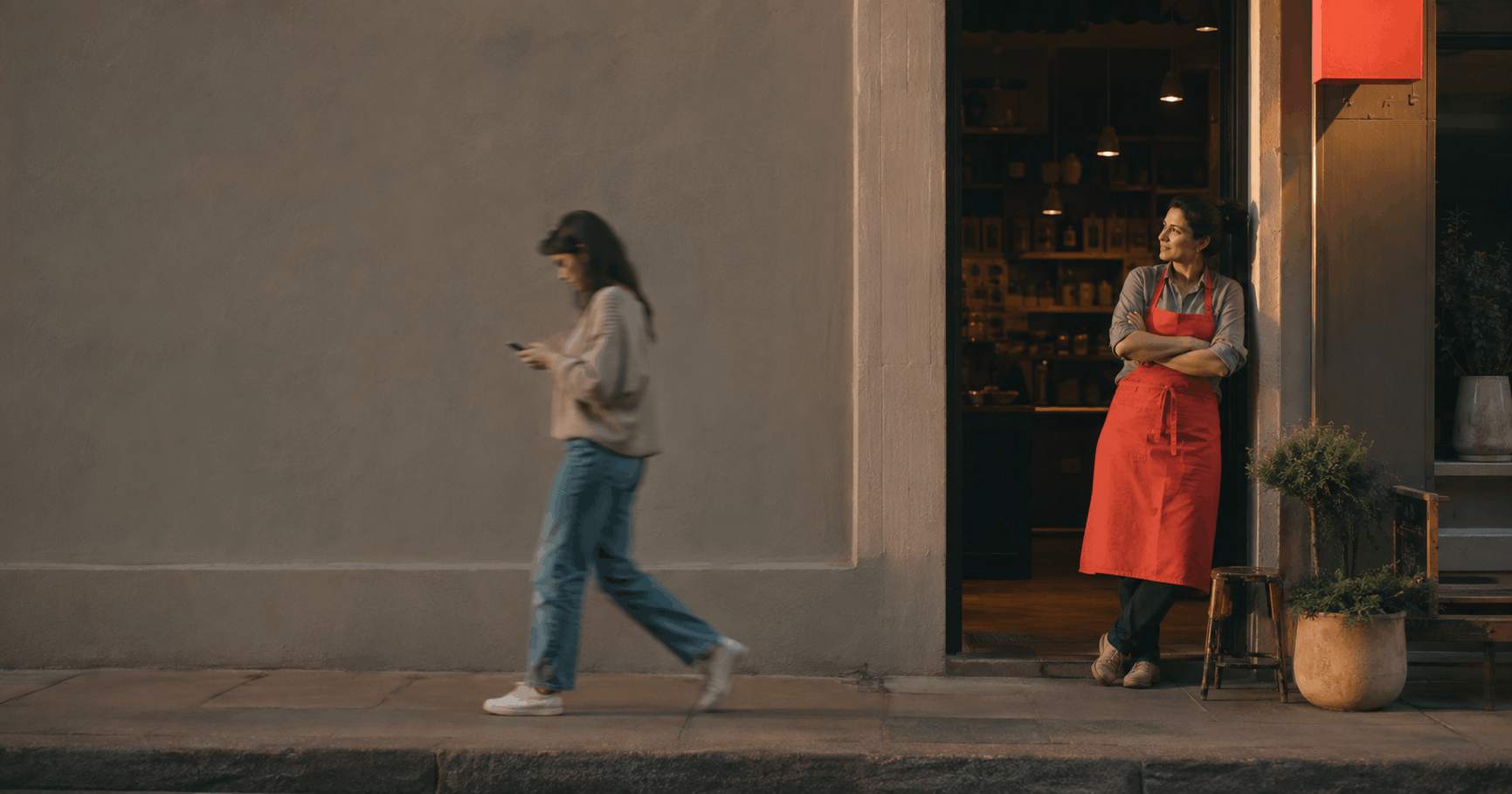
For twenty years the deal was simple. You ranked on Google, someone clicked, and they landed on your website. That deal is now breaking. More and more searches end right there on the results page. People read the answer, get what they came for, and never visit a single website. This is called zero-click search, and every small business owner needs to understand it.
Here is the number that matters. In early 2026, 68% of Google searches ended without a click to any website. Two years earlier it was around 60%. This comes from SparkToro's study of Similarweb clickstream data. On mobile, where most local searches happen, the figure goes past 77%. And when Google shows an AI Overview at the top of the page, the zero-click rate can reach 83%.
If a good part of your traffic used to come from people Googling a question and landing on your blog or service page, this is the shift quietly eating into it. But zero clicks does not mean zero opportunity. In this guide we explain what is happening, why it is happening now, and the practical steps that keep your business visible and bringing in leads even when the click never comes.
What Zero-Click Search Actually Means
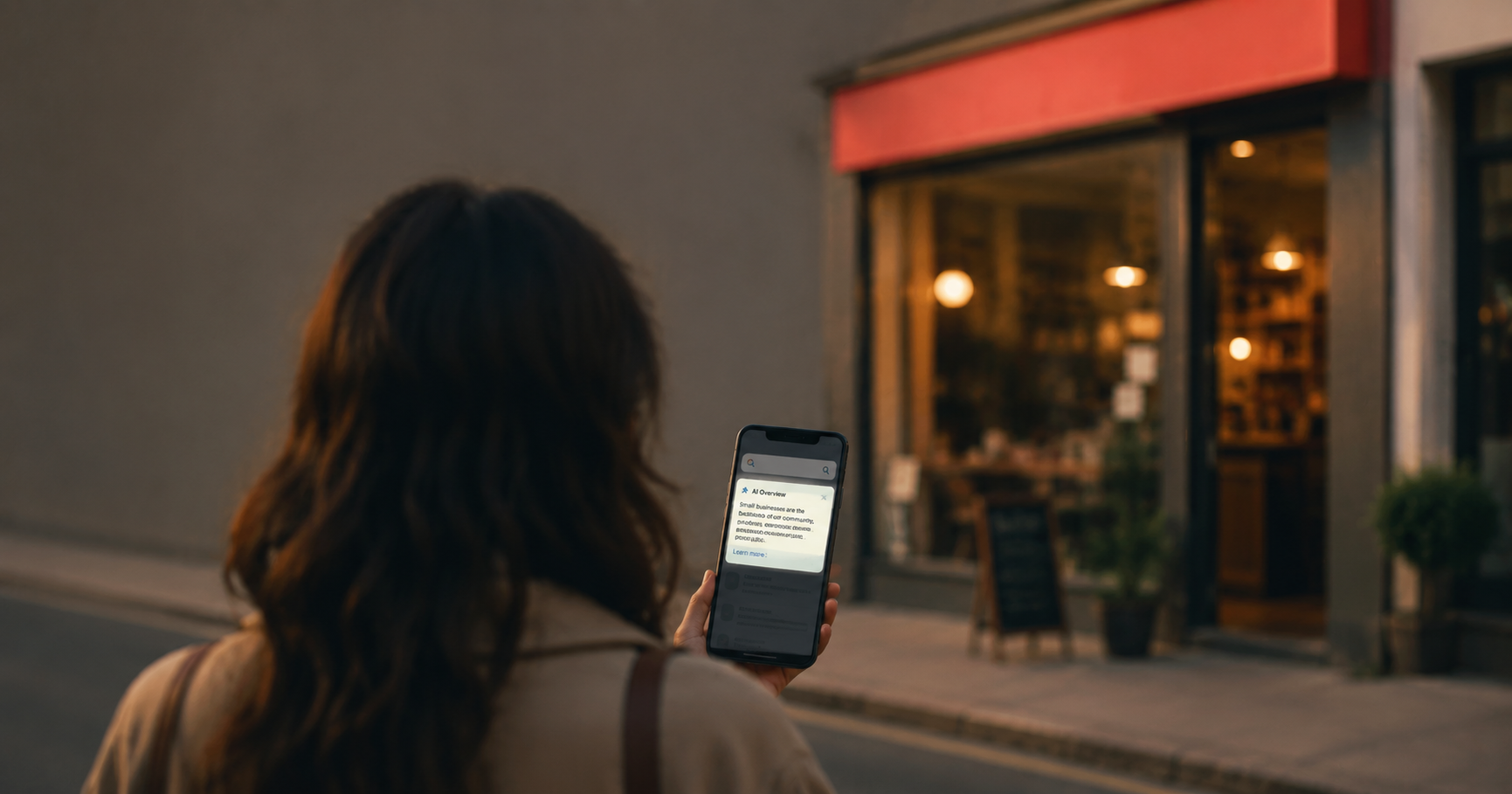
A zero-click search is simply a search where the person gets what they need without leaving Google. They might see a featured snippet, a map with local results, a weather box, a "People Also Ask" answer, or an AI summary that pulls a few sources into one short paragraph. The answer is right there. The website that provided it often goes unvisited.
This is not brand new. Google has answered simple questions on the page for years. What changed in 2025 and 2026 is the scale. AI Overviews now show up on a large and growing share of searches. They have also moved past simple facts into the exact "how do I," "what is the best," and "is this worth it" questions that used to send readers to small business blogs.
Ranking number one used to guarantee the click. Today it can mean being quoted inside an answer the searcher never taps.
Why This Is Happening Right Now
Three things are happening at the same time. Once you understand them, you know where to push back.
- 68%of U.S. Google searches ended with no click in early 2026, up from ~60% in 2024 (SparkToro / Similarweb)
- ~47%lower click-through rate on pages when an AI Overview is present (Pew Research Center, 2025)
- 83%zero-click rate on searches that show an AI Overview (Bain & Company, 2025)
- 77%of mobile searches end without a click, versus ~46% on desktop (SparkToro / Datos)
- 4.4×higher conversion rate from AI-referred visitors than traditional organic traffic (Semrush, 2025)
AI Overviews sit above everything. When Google places an answer at the very top of the page, the usual blue links get pushed down, often below what you see without scrolling. Even the number one result now sits behind a summary that already answered the question.
Most searches just want a quick answer. A lot of what people search is informational. Think "how much does a logo cost," "how does SEO work," or "reels vs shorts." Even before AI, about 74% of these informational searches ended without a click. AI Overviews speed this up by turning a list of links into one finished paragraph.
Mobile makes it worse. On a phone, scrolling past an instant answer to tap a link feels like extra effort. That is why zero-click rates are so much higher on mobile. And mobile is where most local searches happen.
The Trap: Chasing Traffic You Have Already Lost
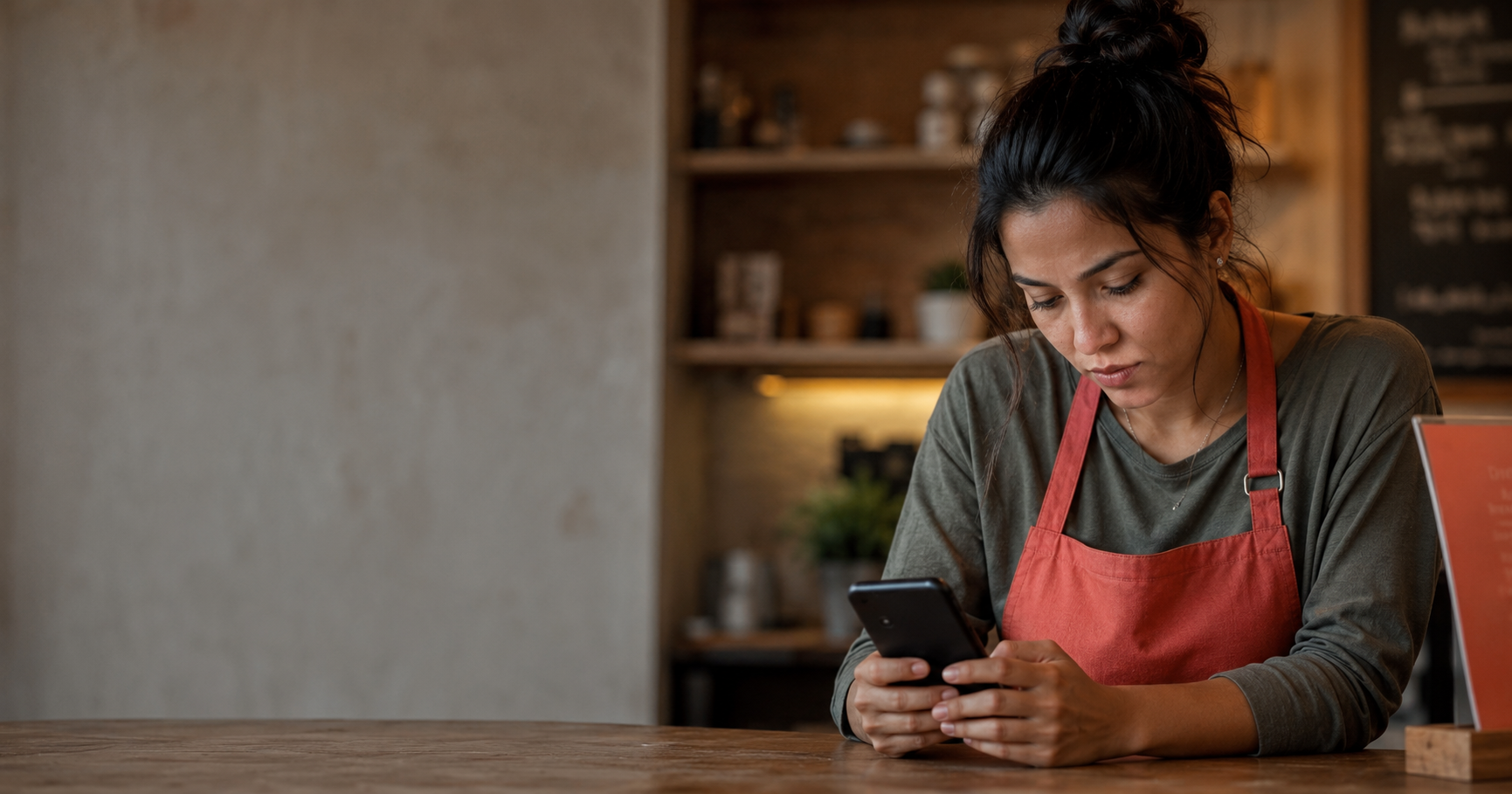
When traffic drops, the usual reaction is to publish more posts and chase more keywords to win the numbers back. For simple, top-of-funnel content, this is a losing game. You can rank first and still lose the visit. The businesses that adapt stop judging success by visits alone. They start judging it by visibility, mentions, and real leads.
There is good news in the data too. People who do click through after reading an AI answer, or who come from a tool like ChatGPT or Perplexity, tend to be more serious buyers. Semrush found this AI-referred traffic converting at 4.4 times the rate of normal organic clicks. Fewer visits, but warmer ones. The goal shifts from chasing volume to becoming the source the answer trusts.
The Survival Playbook: 6 Moves That Work
Now for the practical part. Here is what a small business can actually do this quarter to stay visible and keep leads coming in a zero-click world.
1. Become the source AI quotes, not just a page that ranks
AI Overviews pull from pages that are clear, well organised, and trustworthy. So answer real questions directly and early on the page. Use plain headings that match how people ask, like "How much does a website cost in India?" Give the short answer first, then explain. This is exactly what we covered in our guide to Generative Engine Optimization (GEO): why ranking on Google isn't enough anymore. The idea is to be the answer, not just a link sitting near it. Being quoted in an AI answer still builds trust and awareness, and quoted brands get more clicks when people do decide to read further.
2. Add schema markup so search engines understand you
Schema markup is a bit of code that tells search engines exactly what your content is, such as an FAQ, an article, a local business, or a product. It makes you much more likely to show up in rich results and get pulled into AI summaries. Visitors never see it, but machines rely on it. Most small business sites still do not have it, so this is an easy edge.
3. Focus on branded and ready-to-buy searches
Here is a number that should change your plan. When someone searches your brand name, AI Overviews actually help. Amsive found a roughly 18% rise in clicks on branded searches. And searches with buying intent, like "book," "hire," "buy," or "near me," still get plenty of clicks. Only about 31% of those end without one. The takeaway is simple. Build brand awareness so people search for you by name, and make sure your key pages own the searches where buyers are ready to act.
Not sure where your traffic is leaking?
Our team checks how your site shows up across Google, AI Overviews, and AI tools, then builds the fix. Design and marketing under one roof.
Request a visibility audit →4. Build presence beyond Google
If Google keeps more searches to itself, put your brand where your audience already spends time. That means an active Instagram and Reels presence, a well-kept Google Business Profile, and good listings and reviews on the platforms your buyers trust. It also means showing up inside the AI tools people now ask directly. As SparkToro's Rand Fishkin puts it, the way back is to build influence where your audience already is, not just links on a results page.
Do not fight for the click you are losing. Build the brand people search for on purpose. The core shift for small businesses in 2026
5. Turn the clicks you do get into leads
With fewer visits, each one has to work harder. A visitor who arrives already half-convinced by an AI summary needs a page that closes the deal. That means a fast load, a clear next step, a simple offer, and an easy way to reach you. This is where a website built for conversion, not just good looks, pays for itself. This is what we mean by where creative meets conversion.
6. Measure what matters now
Stop looking at raw visits on their own. Instead, track how often you appear in AI answers, your branded search volume, your calls and form fills, and how many visitors turn into leads. A site with 30% fewer visits but twice the leads is winning. The old reports just will not show it unless you change what you look at.
One Honest Note
The exact numbers move around depending on who is measuring. Figures like 60%, 68%, and 83% come from different studies using different methods, and the picture keeps changing month to month. So treat them as a clear direction, not a fixed rule. What is not in doubt is the trend. The results page is keeping more attention, and the businesses that plan for this stay ahead of the ones waiting for it to reverse.
The Bottom Line
Zero-click search is not the end of getting found online. It just changes what getting found means. Today, visibility lives in being the trusted source an AI answer quotes. It lives in a brand people look for by name. It lives on the platforms beyond Google where your audience already is. And it lives in a website ready to convert the fewer, warmer visitors who do arrive.
This is a harder game than simply chasing keywords. But it is a game small businesses can win, because it rewards clarity, trust, and real value over sheer volume. Start building for it now, while most of your competitors are still refreshing their traffic reports and hoping things go back to normal.
Ready to become the answer, not just a result?
The Designers World builds brand systems, SEO-ready sites, and campaigns engineered to perform in a zero-click world. Let's talk about your growth.
Start a project →